The Seam Ripper Is Your Friend
No sewist wants to talk about it—but every sewist does it………
Sewing can be a deeply satisfying craft — a creative outlet, a practical skill, even a mindful escape. But let’s face it: it can also get expensive. Between fabric, patterns, notions, and tools, the cost of a single garment can rival ready-to-wear prices. But here’s the good news: you don’t need to spend a fortune to enjoy sewing or make beautiful, lasting pieces. With a little creativity and a thrifty mindset, you can stretch your sewing budget without compromising quality — or style. Here’s how to sew smart, save money, and still make things you’re proud to wear, use, or gift.
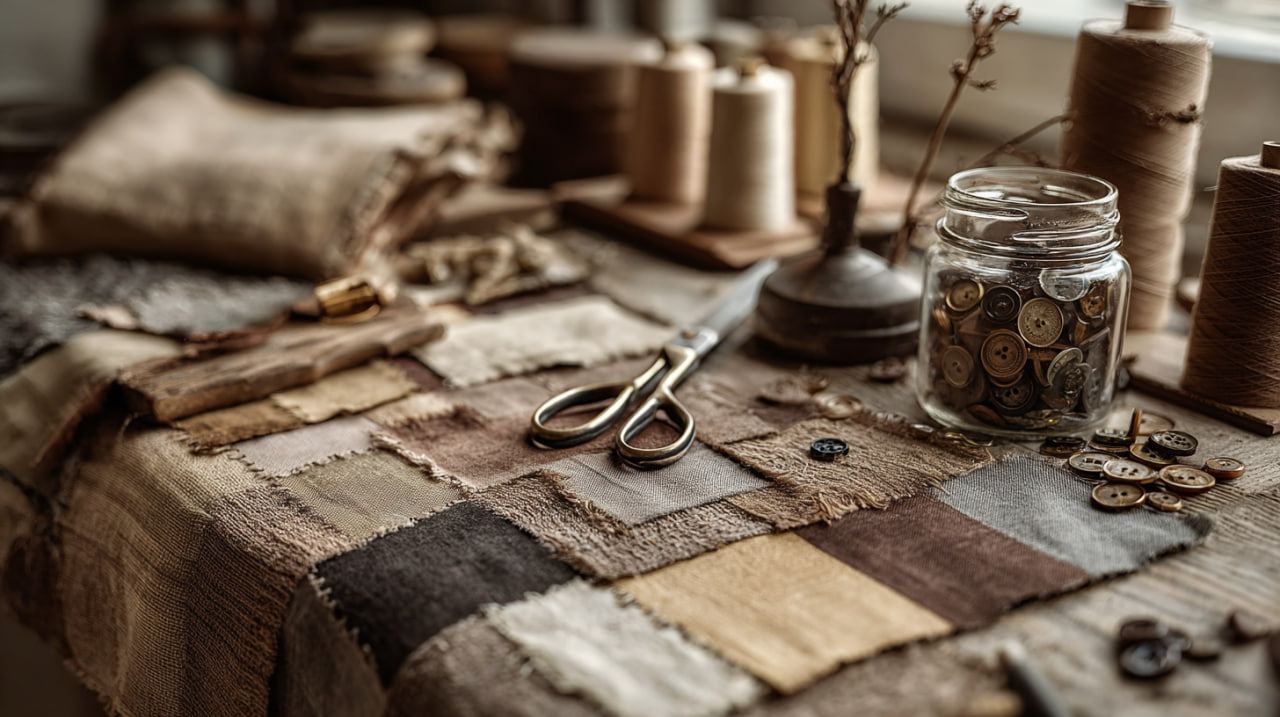
Before heading to the fabric store, take a fresh look at what you already have. Old clothing can be a treasure trove of fabric, zippers, buttons, and inspiration.
✔ Refashion and upcycle: Turn a too-small dress into a skirt, an outdated shirt into a tote, or jeans into patchwork projects.
✔ Harvest materials: Cut off buttons, remove zippers, and save interfacing from garments that are no longer wearable.
Ask friends and family if they have clothes headed to donation — you may score vintage linens, denim, or high-quality cottons for free.
Thrift shops and charity stores are a paradise for budget-minded sewists. Look beyond the racks for:
✔ Oversized garments: Maxi skirts, men’s XL shirts, and muumuus often have large uninterrupted sections of fabric.
✔ Bedding and curtains: Flat sheets can yield yards of fabric, often in bold prints or soft cotton blends perfect for wearable muslins and casual wear.
Tip: Stick to natural fibers (cotton, linen, wool) if you’re still learning — they’re easier to sew and press.
Scrap fabric often gets overlooked — but it’s a powerful tool in the thrifty sewist’s toolkit. Keep your leftovers organized by size or color, and use them for:
✔ Pocket linings
✔ Bias tape or quilt binding
✔ Appliqué and patchwork
✔ Hair accessories, zipper pouches, pincushions
Challenge yourself to make a full garment using scraps and contrasting pieces — it can spark creativity and keep waste out of the bin.
If you’re part of a local sewing group or online sewing community, suggest a stash swap. These events (in person or by mail) are a fun, free way to trade:
✔ Fabric pieces
✔ Patterns
✔ Notions and tools
Everyone gets something new, and you clear out what you’re not using. Win-win!
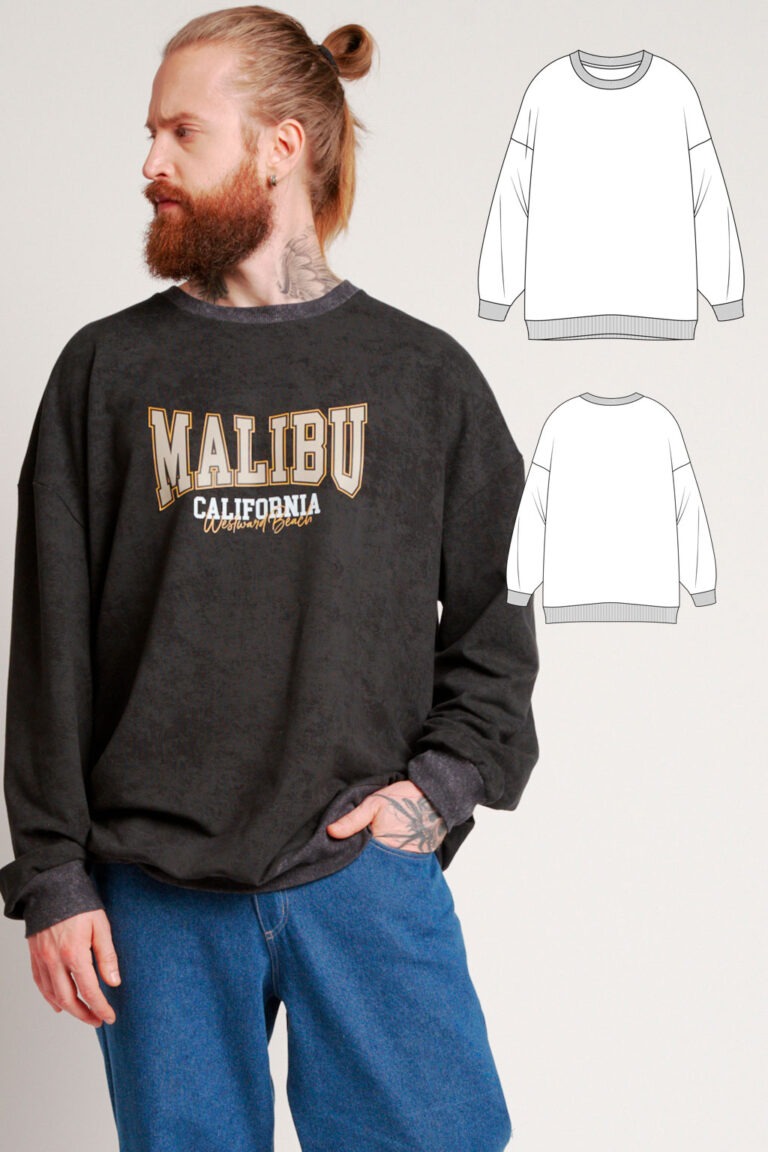
Printed patterns can add up quickly, but there’s a wealth of free patterns available online. Many reputable indie designers and sewing blogs offer free downloads, especially for simple garments and accessories.
Check out:
✔ Peppermint Magazine’s pattern library
✔ Mood Fabrics’ free sewing patterns
✔ Sew House Seven’s basic t-shirt pattern
✔ Blogs like Tilly and the Buttons, Melly Sews, and Made By Rae
Also keep an eye out for sales and freebie weekends on platforms like Etsy or Makerist
Buying new thread, zippers, buttons, and interfacing for every project adds up. Try:
✔ Buying zippers in bulk from discount shops or online
✔ Saving buttons from old garments
✔ Reusing interfacing from thrifted garments or packaging
✔ Keeping thread tails and trims for basting, marking, or hand-finishing practice
You can also check secondhand shops or estate sales for boxes of vintage notions — often pennies on the dollar.
Yes, some tools make sewing easier — but you don’t need every gadget on the shelf.
Start with:
✔ Sharp scissors
✔ Seam ripper
✔ Measuring tape
✔ Pins and clips
✔ Iron and pressing surface
Skip the specialty rulers, automatic needle threaders, or pricey organizers until you know you need them. Often, dollar store or hardware versions work just as well.
Impulse sewing can lead to wasted fabric and half-finished garments. A little planning goes a long way.
✔ Shop with a project in mind
✔ Cut carefully to minimize waste
✔ Save fabric offcuts for smaller projects
✔ Make a muslin only when necessary (and reuse them if possible)
A little strategy ensures that what you buy — and sew — actually gets used and loved.
Sewing doesn’t have to be a luxury. With a resourceful eye, a bit of time, and a few creative tweaks, you can build skills, fill your closet, and enjoy the process — all without breaking the bank. Because in the end, it’s not about how much you spend. It’s about what you make — and the joy of making it.
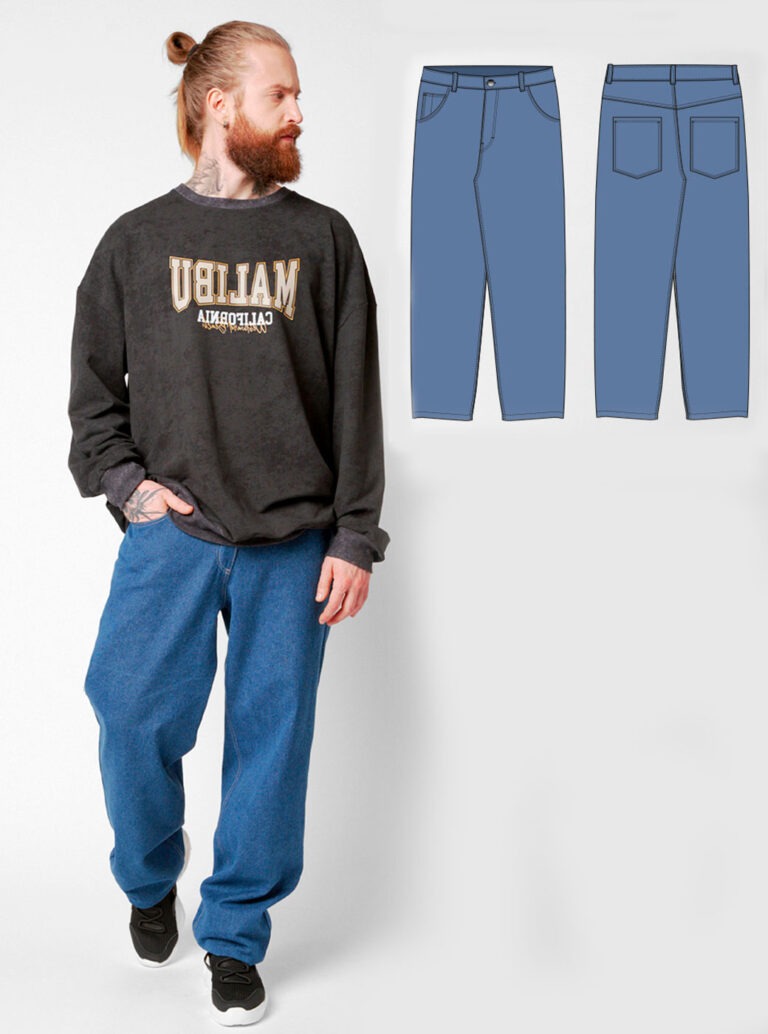

No sewist wants to talk about it—but every sewist does it………

You’ve carefully cut the fabric. You’ve followed every step of the pattern instructions. ……